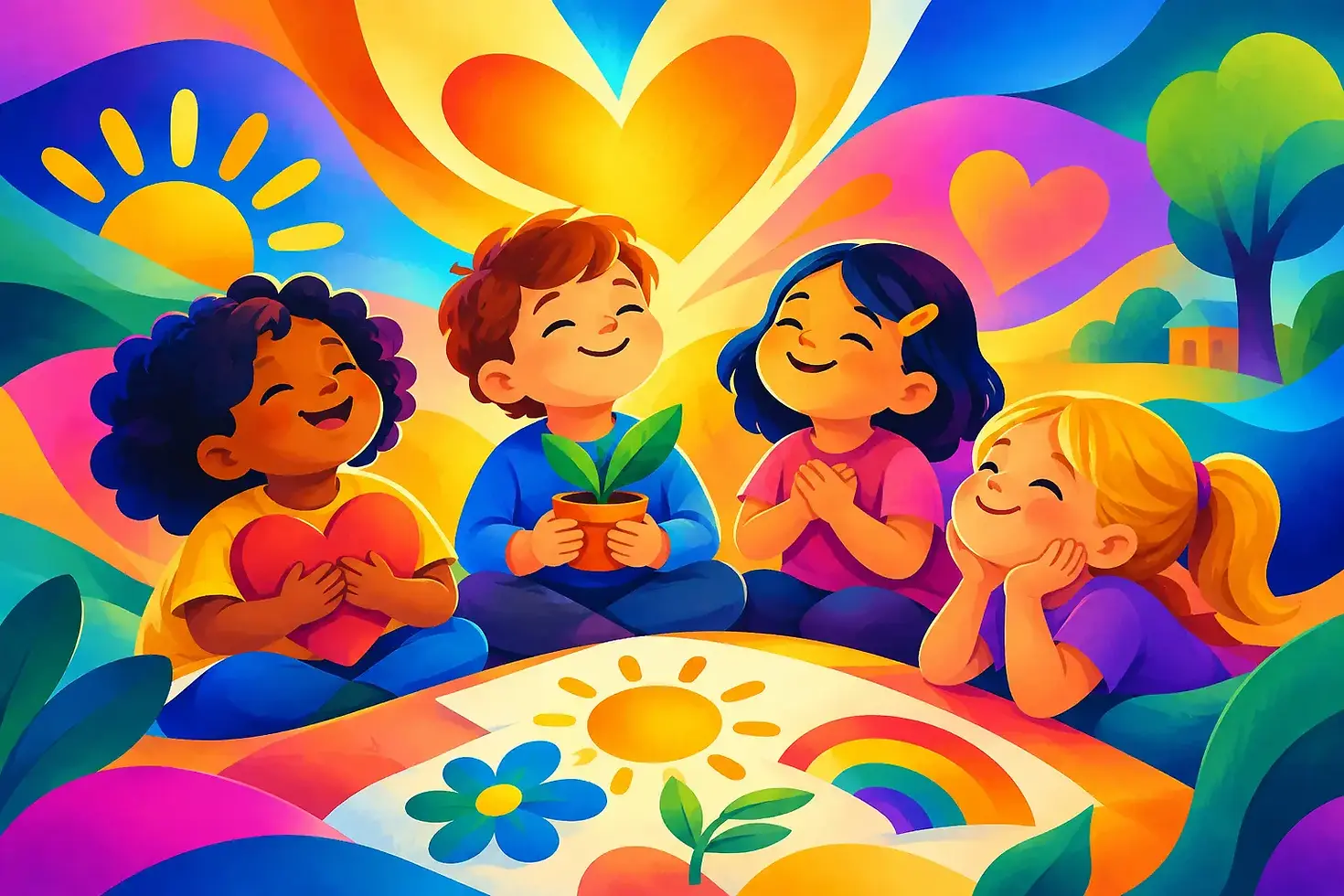
8 Gratitude Activities for Preschoolers to Try

A preschooler may not remember every detail of a busy day, but they remember how it felt to be noticed, helped, and loved. That is why gratitude activities for preschoolers work best when they are small, concrete, and part of real life. A child who says, “Thank you for helping me zip my coat,” is practicing more than manners. They are learning to recognize care, use thoughtful words, and see that their choices affect other people.
Gratitude is not about asking children to be cheerful all the time or dismissing hard feelings. Preschoolers still need space to say, “I’m sad,” “I wanted a turn,” or “This is hard.” Gratitude gives them another emotional tool: the ability to notice good gifts and kind people even when the day is not perfect. With gentle repetition, this practice supports communication, empathy, confidence, and the character habits that help children thrive in school and in relationships.
Why Gratitude Matters in the Preschool Years
Young children learn through what they can see, touch, repeat, and experience with trusted adults. A lecture about being thankful will likely fade quickly. A daily moment of naming one kind thing someone did creates a memory they can carry into play, conversation, and family life.
Gratitude also strengthens early learning skills. When children describe what they appreciate, they build vocabulary and sentence structure. When they draw a thankful picture, sort photos of helpers, or count items collected for someone in need, they practice creativity, observation, early math, and problem-solving. Most importantly, they begin to understand that they belong to a community where each person has value.
For faith-based families, gratitude can also be a natural part of helping children recognize God’s care. Keep language simple and sincere: “Thank You, God, for our food,” or “God gave us people who help us.” The goal is not a perfect recitation. It is a growing awareness of blessings, love, and responsibility toward others.
8 Gratitude Activities for Preschoolers
1. Start a simple thankful circle
At breakfast, in the car, or before bedtime, invite everyone to name one thing they are thankful for. Preschoolers may begin with favorite snacks, dinosaurs, or their stuffed animals. Those answers count. Over time, model broader ideas by sharing appreciation for a friend, a safe home, a teacher, or a chance to play outside.
Keep the moment short enough for a young child’s attention span. If your child is tired or reluctant, offer choices: “Were you thankful for painting today or playing on the playground?” The purpose is connection, not pressure.
2. Create a family gratitude tree
Draw a large tree on paper or make one from construction paper. Each time your child notices something good, help them add a paper leaf with a picture or a few dictated words. A preschooler might draw Grandma, a bowl of strawberries, or the family dog. Seeing the tree fill up makes gratitude visible.
This activity works especially well across a month or season. It gives children an opportunity to revisit earlier leaves and remember that good things do not have to be big to matter. It also creates an inviting prompt for family conversations.
3. Practice thank-you notes with pictures
A handwritten note does not need to be polished to be meaningful. Ask your child to draw a picture for a neighbor, grandparent, teacher, delivery driver, or friend who has shown kindness. Write their words underneath: “Thank you for reading with me,” or “Thank you for my birthday book.”
For preschoolers, this is an early literacy activity as much as a character activity. Point out the letters in the recipient’s name, let your child choose colors, and read the message aloud before giving it away. The child sees that words and pictures can encourage someone else.
4. Make appreciation part of pretend play
Preschoolers naturally process their world through play. Set up a pretend restaurant, doctor’s office, grocery store, or home corner, then model courteous language: “Thank you for bringing my soup,” or “Thank you for taking care of my teddy bear.” Soon, children begin trying those phrases themselves.
This approach is helpful for children who are still developing expressive language or feel shy in adult-led conversations. Rather than asking them to perform gratitude on command, play gives them a comfortable way to rehearse kindness and social skills.
5. Go on a gratitude walk
Take a slow walk around your neighborhood, backyard, classroom, or local park. Invite your child to look for three things that make them feel happy, safe, or cared for. They may notice a bright flower, a crossing guard, a bird’s nest, or the shade of a big tree.
You can add a little science and observation by asking follow-up questions: “What colors do you see?” “What do you think that plant needs to grow?” “Who helps keep this park clean?” Gratitude becomes connected to curiosity, stewardship, and an appreciation for the people and resources around us.
6. Fill a kindness jar
Place a clear jar in a shared space with small pom-poms, buttons, or paper squares nearby. When your child notices or participates in an act of kindness, add one item to the jar. Examples can be very simple: putting toys away, comforting a sibling, feeding a pet, or saying thank you without a reminder.
Be careful not to turn the jar into a reward system where children only help to earn something. Instead, pause to name the impact: “You helped your brother find his shoe. He felt cared for.” When the jar is full, celebrate with a family picnic, an extra story, or a chance to choose a service project together.
7. Share a thank-you prayer
Before a meal or at bedtime, offer a brief prayer that invites children to participate. You might say, “Thank You, God, for our family,” then pause for your child to add an idea. If they say, “Thank You for trucks,” welcome it warmly. Their sincere words are a starting place for spiritual growth.
Some days, children may want to thank God for a person who is sick, a new baby, or a friend who needs encouragement. This is a meaningful opportunity to connect gratitude with compassion. We can be thankful for what we have while also caring about what others need.
8. Choose one way to help each week
Gratitude grows deeper when it leads to action. As a family, choose one age-appropriate way to serve or help. Your preschooler might help sort canned goods, choose gently used books to share, water a neighbor’s plant, or make cheerful pictures for an older relative.
Talk about why the action matters in language your child can understand: “We have enough food to share,” or “This picture may help Grandpa feel loved.” Children do not need to grasp every social issue to begin learning generosity. They simply need repeated opportunities to see that thankful hearts can have helping hands.
Helping Gratitude Feel Genuine, Not Forced
The most effective gratitude practice is one your family can sustain. A daily thankful circle may suit one household, while a weekly gratitude walk may work better for another. It depends on your routines, your child’s temperament, and the season your family is in.
Try to avoid correcting every imperfect response. If your child says they are thankful for cookies, meet them with interest instead of redirecting immediately. You can gently extend the thought: “Cookies are a fun treat. Who helped make them?” This keeps gratitude warm and relational rather than turning it into a test with right answers.
Adults set the tone, too. Let children hear you thank a cashier, appreciate a partner’s help, or acknowledge a child’s effort. When a parent says, “Thank you for being patient while I finished that call,” a preschooler learns that their actions matter. They also learn that gratitude belongs in ordinary moments, not only around a holiday table.
Growing Thankful Hearts in a Caring Community
At Tree of Life Children’s Academy, gratitude is woven into the daily relationships that help children feel known, loved, and capable. Through purposeful play, creative expression, faith-centered conversations, and opportunities to care for others, preschoolers can practice the words and actions that build strong character alongside kindergarten-ready skills.
A thankful heart grows one noticed kindness at a time. Whether your child adds a leaf to a family tree, offers a picture to someone they love, or whispers a simple prayer before bed, those small moments are helping them become a more compassionate and confident person.



Comments